
Noorani Qaida
1
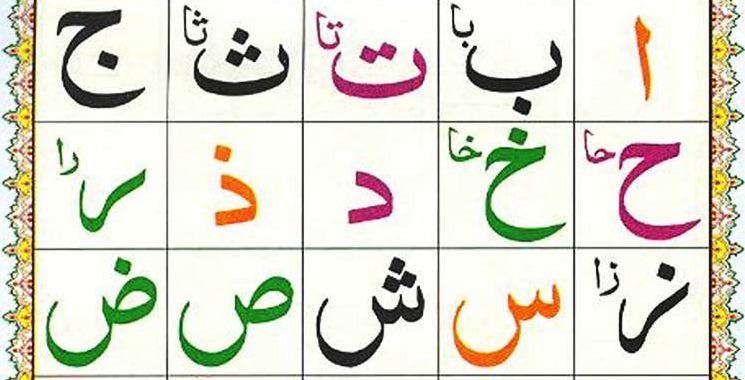
Noorani Qaida is a foundational text designed to teach the basics of reading the Quran. The first step in teaching Noorani Qaida involves familiarizing students with the Arabic alphabet, helping them learn the pronunciation of individual letters. This is usually done through repetition and phonetic exercises, allowing students to associate sounds with their corresponding letters.
2
Once the students have a grasp of the alphabet, the next phase focuses on combining letters to form syllables and words. This includes teaching the different harakat (vowel markings) that alter the pronunciation. Interactive lessons and practice sessions help reinforce these concepts, as students engage in reading exercises and are encouraged to recite aloud to build confidence.
3
Finally, to solidify their understanding and improve their fluency, students are introduced to simple Quranic verses. The teacher provides guidance on proper tajweed (rules of Quranic recitation) and encourages students to recite these verses regularly. By gradually increasing complexity and providing consistent practice, students develop a strong foundation in reading the Quran confidently and correctly.
Quran Nazra & Hifz

1
Teaching Quran Nazra, which focuses on the correct reading of the Quran, begins with ensuring students are comfortable with their foundational reading skills. In this initial phase, emphasis is placed on proper pronunciation and recognizing the rules of tajweed. Teachers use a combination of one-on-one sessions and group recitations, encouraging students to practice reading aloud and providing immediate feedback to help correct any mispronunciations.
2
Once students have achieved a level of proficiency in reading, the next step involves enhancing their memorization skills with Quran Hifz. This includes breaking down verses into manageable sections, allowing students to memorize smaller parts before progressing. Teachers employ various techniques, such as repeating verses multiple times, reciting them in different melodies, and encouraging students to listen to audio recordings to reinforce memory retention.
3
To ensure both comprehension and retention, teachers regularly review previously memorized sections alongside new material. This creates a continuous learning environment where students feel supported as they progress. By incorporating regular assessments and motivational strategies, such as rewards for milestones achieved, students remain engaged and inspired in their journey of memorizing and reciting the Quran accurately.
Quran translation & Tafseer
1
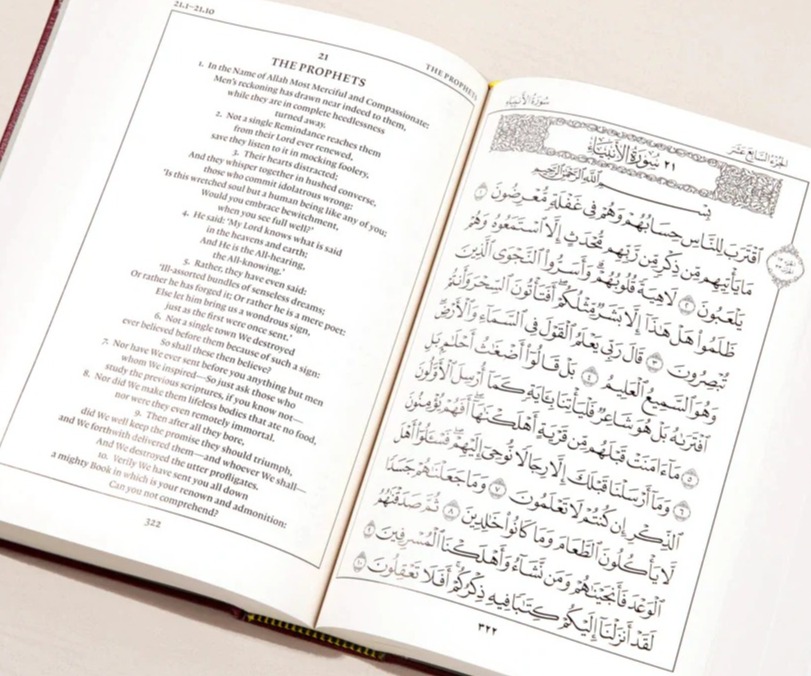
Teaching Quran translation and Tafseer involves a structured approach that enhances understanding of the Quranic text. The initial phase focuses on Arabic language fundamentals, ensuring students grasp essential vocabulary and grammar needed to interpret the Quran accurately. Through engaging lessons, students learn the meanings of key terms and phrases, which aids in their overall comprehension.
2
Once students are familiar with the basics of the language, the curriculum shifts to directly translating verses from the Quran. Teachers encourage a word-by-word analysis, discussing the context and themes expressed within the verses. This phase often involves group discussions and collaborative exercises, allowing students to share interpretations and deepen their insights collectively.
3
The final step in teaching Tafseer includes exploring the historical and contextual background of the verses. Teachers provide explanations of classical and contemporary Tafseer, helping students understand the intended messages and lessons. Interactive discussions, critical thinking exercises, and personal reflections further encourage students to connect the teachings of the Quran to their own lives, fostering a deeper appreciation and understanding of the text.
Masnoon Duain

1
Teaching Masnoon Duain, which refers to the prescribed supplications and prayers from the Quran and Sunnah, begins with familiarizing students with the importance and significance of these prayers. In the initial phase, teachers introduce various duain, explaining their meanings and the contexts in which they should be recited. This helps students understand the spiritual benefits and the appropriate settings for each supplication.
2
Once students grasp the significance, the focus shifts to the correct pronunciation and articulation of the duain. Teachers often use repetition and recitation exercises to ensure students can recite the prayers accurately. Encouraging parents to participate at home can reinforce learning, as students practice their recitation in a supportive environment.
3
Finally, to deepen understanding and encourage consistency, teachers incorporate lessons on the importance of incorporating these duain into daily life. This includes discussions on how to integrate the prayers into routine activities, such as before meals, after prayers, or during times of difficulty. By creating a nurturing environment that emphasizes the value of these supplications, students develop a habit of seeking guidance and comfort through their prayers.
Arabic Language
1
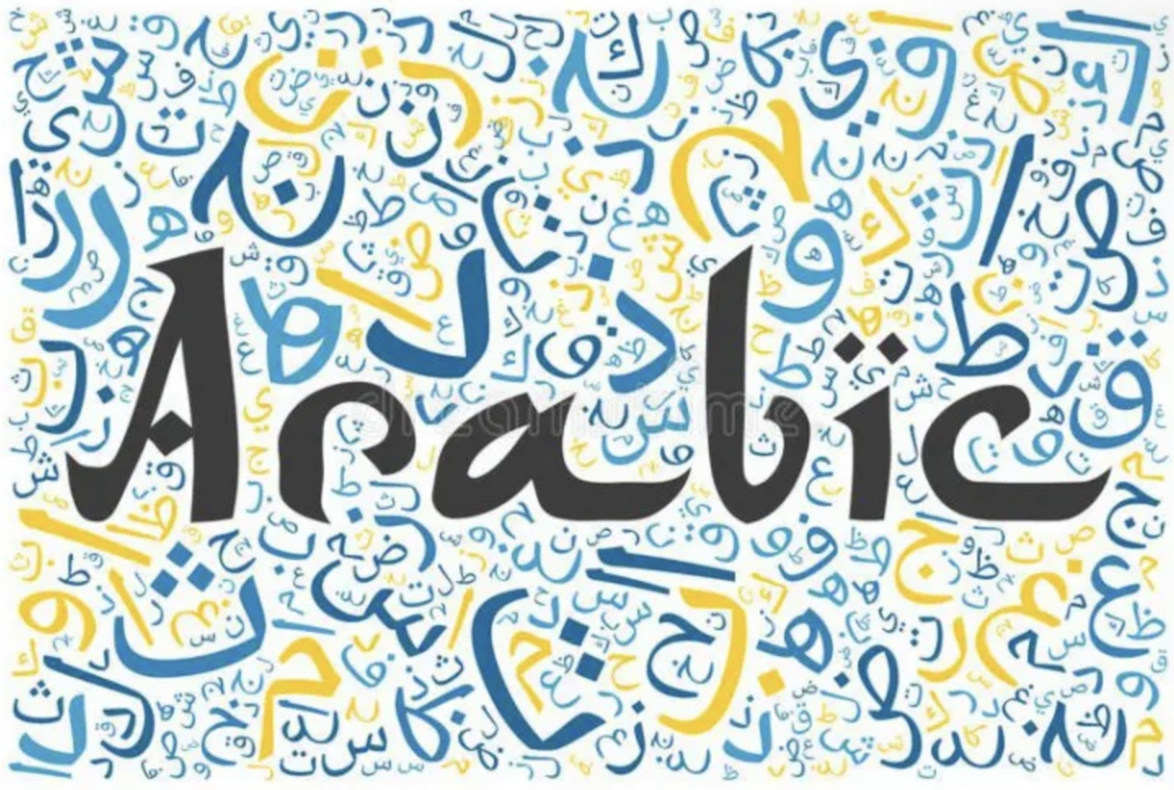
Teaching the Arabic language begins with establishing a solid foundation in the alphabet and basic phonetics. In the initial phase, students are introduced to the Arabic script, learning to recognize and pronounce each letter. This is often complemented by engaging activities, such as tracing letters and using flashcards, to help solidify their understanding of both the written and spoken forms.
2
Once students are comfortable with the alphabet, the curriculum progresses to vocabulary building and fundamental grammar. Teachers focus on essential words and sentence structures, encouraging students to practice through interactive exercises, role-playing, and conversation practice. This stage aims to enhance listening and speaking skills, enabling students to communicate effectively and build their confidence in using the language.
3
As students advance, lessons incorporate reading comprehension and writing skills. They engage with simple texts, gradually increasing in complexity, while also learning to construct their own sentences and short paragraphs. Regular assessments and collaborative group activities foster an encouraging environment, promoting both mastery of the language and a deeper appreciation for its cultural significance. This holistic approach ensures students develop a well-rounded proficiency in Arabic.
Basic Islamic Knowledge

1
Teaching Basic Islamic Knowledge starts with introducing fundamental concepts and beliefs of Islam, such as the pillars of faith and the pillars of Islam. In the initial phase, educators present core principles like the belief in one God (Tawheed), the Prophethood, and the significance of the Quran. This foundational knowledge is often supplemented with engaging storytelling, discussions, and simple multimedia resources to capture students' interest and encourage participation.
2
As students become familiar with basic concepts, the curriculum expands to include essential practices in Islam, such as the importance of Salah (prayer), fasting, zakat (charity), and Hajj (pilgrimage). Teachers use practical demonstrations and interactive activities, such as practicing prayer movements and discussing the significance of these acts, to deepen understanding. By creating a supportive environment, students are encouraged to ask questions and explore the reasons behind each practice.
3
Finally, to ensure a well-rounded understanding, educators incorporate discussions on Islamic morals, etiquettes, and the importance of community. Lessons may cover topics like kindness, honesty, and respect for others, linking these values to examples from the life of the Prophet Muhammad (peace be upon him). Through group activities, reflections, and real-life applications, students are empowered to integrate Islamic teachings into their daily lives, fostering a strong sense of identity and values.
Enroll Now
Contact Us For inquiries
Siraat Institute
© Copyright 2025 Siraat